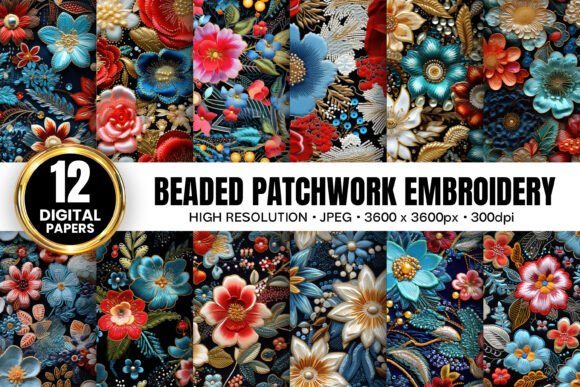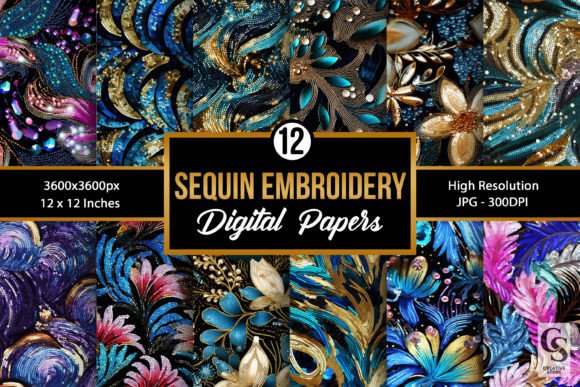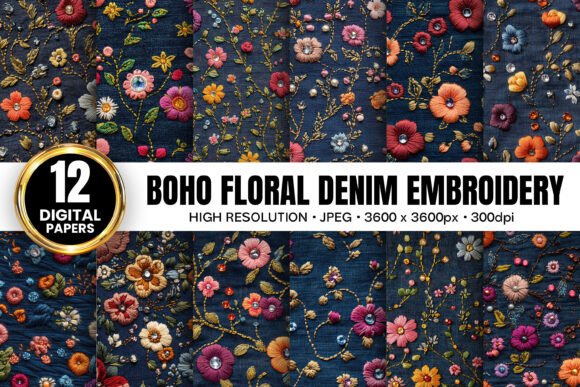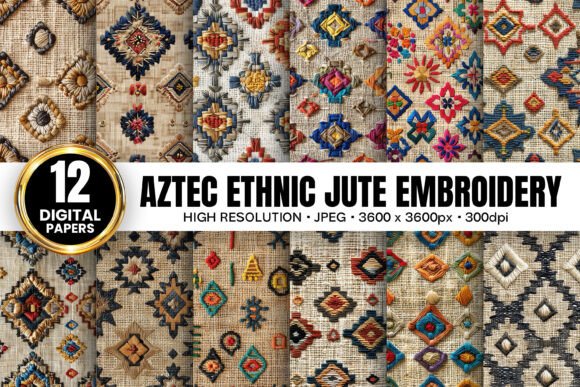
Wildflower Honeybees Embroidery Patterns Review
In the world of small business branding, visual consistency is everything. As an embroidery designer who has spent years translating digital concepts into tangible stitched goods, I know that a single design asset can define the perceived value of a product. Today, I am reviewing Wildflower Honeybees Embroidery Patterns, a set of digital graphics marketed for use in branded merchandise and custom apparel. This review focuses on how this specific collection performs when applied to real-world commercial projects, from embroidered patches to boutique tote bags.
First Impressions: Visual Personality and Brand Fit
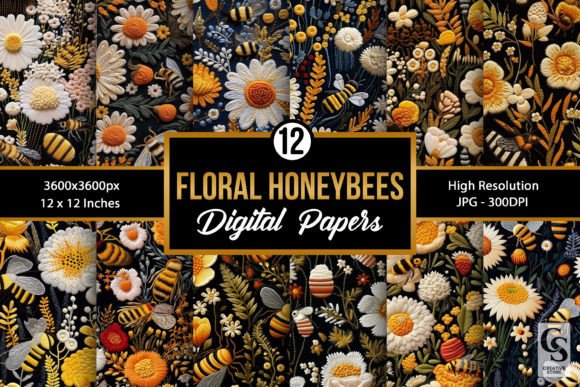
The title, Wildflower Honeybees Embroidery Patterns, immediately suggests a specific aesthetic: rustic, organic, and friendly. When you are designing for a small café, a local bakery, or a handmade floral shop, you need visuals that feel approachable yet professional. This design set leans heavily into the "handmade" vibe, which is currently a major driver in consumer trust.
From a design perspective, the combination of wildflowers and honeybees offers a natural color palette. It feels premium without being overly corporate. For brands aiming for a classic or modern-rustic look, this graphic serves as a strong foundation. However, because it is sold as "Digital Papers" rather than a direct machine embroidery file, we must evaluate its potential as a print source for transfers or as a reference for digitizing a custom patch. The high-resolution nature (300dpi) ensures that when used in printable mockups or transferred via heat press, the lines remain crisp, avoiding the pixelation that often ruins small business merch quality.
Real-World Application in Small Business Merch
Let’s look at how Wildflower Honeybees Embroidery Patterns translates across different product categories. The versatility of these graphics makes them suitable for a wide range of small business merch items.
- Embroidered Patches: This is perhaps the strongest use case. The circular or clustered nature of flower and bee motifs works beautifully as a chest logo accent or a sleeve detail. Whether used for staff uniforms at a farm-to-table restaurant or as a badge on a denim jacket for a creative studio, the design holds up well. It adds a touch of whimsy that customers associate with artisanal quality.
- Apron Embroidery: For bakers and florists, the apron is a uniform of pride. Using this pattern as a focal point on the bib or pocket area creates a cohesive brand identity. The organic shapes soften the utilitarian nature of the garment, making the wearer look both professional and creative.
- Cap Embroidery: While complex patterns can be tricky on curved surfaces, the bold contrast of bees against flowers can work if simplified. A smaller, focused version of the design on the front panel of a cap can serve as a memorable brand identity marker for outdoor events or craft fairs.
- Tote Bag Design: For Etsy sellers and market vendors, the reusable tote bag is a walking billboard. If printed onto canvas before stitching, or used as a guide for large-scale machine embroidery design elements, this pattern reinforces an eco-friendly, nature-conscious brand image.
Strategic Considerations for Production
As a designer, I always advise clients to think about the end-use before purchasing assets. While Wildflower Honeybees Embroidery Patterns is visually appealing, there are technical constraints you must consider to ensure a high-quality finished product.
One critical factor is stitch density. If you plan to digitize this graphic into an actual embroidery file, you must avoid over-stitching the fine details of the petals. High stitch density on delicate floral outlines can cause fabric puckering, especially on lightweight materials like linen or thin cotton tees. It is essential to test the design at its intended final size. A pattern that looks great on a screen may lose definition when reduced to a 2-inch patch size.
Another consideration is the hoop size and fabric texture. These designs require a stable base. If you are embroidering on textured fabrics like heavy canvas or fleece, the intricate details of the wildflowers might get lost. In such cases, using a proper stabilizer is non-negotiable to maintain the integrity of the design. Furthermore, thread color contrast plays a huge role. On dark uniforms, you will need bright, opaque threads to make the bees and flowers pop, whereas light fabrics allow for more subtle, pastel thread choices.
Impact on Brand Identity and Customer Trust
Why does this matter? Because every stitch tells a story. When a customer sees a consistent, high-quality design on your products, it signals professionalism. Wildflower Honeybees Embroidery Patterns helps establish a narrative of care and attention to detail. It suggests that your business values nature, craftsmanship, and beauty.
This visual consistency builds customer trust. When a buyer receives a product with a perfectly executed patch or logo, they perceive higher value. They are more likely to engage with your brand, share photos on social media, and return for future purchases. In the competitive landscape of custom apparel and handmade products, these small visual cues differentiate you from mass-produced competitors.
Practical Designer Notes for Success
To get the most out of these design assets, follow these practical steps before committing to full production runs:
- Test in Black and White: Before selecting thread colors, view the design in grayscale. This helps you assess the balance and spacing of the elements without the distraction of color.
- Check Small Scale Legibility: Resize the digital paper to the dimensions of your smallest intended patch or logo. Can you still distinguish the bees from the flowers? If not, simplify the design.
- Review Thread Color Contrast: Ensure there is enough contrast between the background fabric and the thread colors. Low contrast can make the design look muddy and unprofessional.
- Inspect Spacing: Look closely at the negative space within the pattern. Crowded elements can lead to stitching errors or difficult application during the sewing process.
- Confirm Hoop Size: Verify that the design fits comfortably within your embroidery machine’s hoop limits, leaving adequate margin for stabilization.
- Test on Real Fabric: Always run a sample on the exact fabric you plan to use. Different materials react differently to tension and stabilizers.
- Create a Mockup: Use a printable mockup to visualize the design on your actual products. This helps in client approval processes and prevents costly mistakes.
- Compare with Other Assets: Ensure this pattern aligns with your other design assets for a unified brand look.
- Confirm Commercial Licensing: Before selling any items featuring these graphics, double-check the license terms to ensure you have permission for commercial embroidery use.
Final Verdict
Wildflower Honeybees Embroidery Patterns is a versatile and charming resource for small business owners looking to elevate their merch creator output. Its rustic yet polished aesthetic fits seamlessly into the portfolios of bakeries, boutiques, and creative studios. By paying close attention to technical details like stitch density, fabric choice, and licensing, you can transform these digital papers into powerful tools for building a recognizable and trusted brand. Whether used as a guide for embroidered patches or as a base for tote bag design, this collection offers significant potential for enhancing your finished product appeal.