Beaded Patchwork Embroidery Patterns Review
As an embroidery designer who has spent years translating digital concepts into tactile, thread-based art, I am always on the hunt for design assets that offer both aesthetic appeal and commercial viability. Recently, I evaluated a set of Beaded Patchwork Embroidery Patterns with a specific project in mind: a limited-edition sweatshirt drop for a small boutique brand. The goal was to create a collection that felt premium yet accessible, blending the rustic charm of patchwork with the luxurious touch of beadwork simulation. Below is my professional review of how these Patterns and Graphics perform in a real-world apparel context.
First Impressions: Mood and Visual Impact
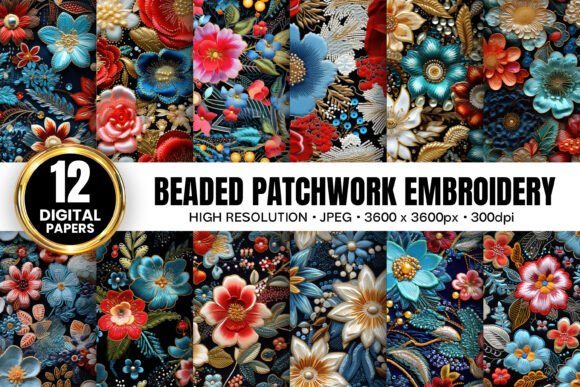
The immediate visual impact of the Beaded Patchwork Embroidery Patterns is striking. The title suggests a fusion of textures—soft, quilted fabric squares juxtaposed with the hard, reflective shine of beads. In the digital preview, the layout feels balanced and organic. It avoids the rigid symmetry often found in mass-produced designs, offering instead a more artisanal, handmade product feel. This is crucial for today’s market, where consumers are drawn to items that tell a story.
The mood is undeniably cozy and nostalgic, reminiscent of vintage quilts but updated with a modern, playful twist. For a boutique brand, this translates to a piece of clothing that feels curated rather than manufactured. The design possesses a decorative quality that elevates basic apparel, making it suitable for lifestyle product photography where texture and detail are key selling points.
Application on Sweatshirts and Hoodies
When considering how Beaded Patchwork Embroidery Patterns would translate to actual garments, I visualized several placement options. The versatility of these design assets allows for creative freedom across different types of custom apparel.
- Chest Placement: A smaller, cropped version of the patchwork motif works beautifully on the left chest of a neutral-colored sweatshirt. It adds a subtle focal point without overwhelming the garment, perfect for everyday wear.
- Sleeve Accents: Running a strip of the patchwork pattern down the sleeve can add a unique detail that catches the eye when moving. This is particularly effective on oversized hoodies, where the extra fabric provides ample space for the design to breathe.
- Back Designs: For a statement piece, placing a larger section of the Beaded Patchwork Embroidery Patterns on the back creates a bold, feminine look. This approach works well for seasonal drops, such as autumn or winter collections, where layering is common.
I imagined these designs on various fabric backgrounds. On dark charcoal or navy sweatshirts, the simulated beads would pop with high contrast, creating a sophisticated evening-ready vibe. On pastel or cream-colored fabrics, the look becomes softer and more romantic, appealing to a different segment of the Etsy seller audience. The fabric texture of the sweatshirt itself plays a significant role; a heavy cotton blend will ground the design, giving it weight and presence.
Technical Considerations for Commercial Use
For any commercial embroidery project, technical execution is just as important as artistic vision. Here are the practical concerns I addressed during my evaluation.
Stitch Density and Thread Colors: The simulated beading effect relies heavily on stitch density to create depth. High-density stitches can make the design feel sturdy and premium, but they must be balanced to avoid puckering, especially on thinner knit fabrics. I recommend testing thread colors carefully; using metallic or variegated threads can enhance the "beaded" illusion, adding sparkle that photographs well for online listings.
Stabilizer Choice: Given that this is for sweatshirt embroidery, a cut-away stabilizer is non-negotiable. Knit fabrics stretch, and the added weight of dense stitching requires strong support to maintain integrity over time. Without proper stabilization, the Beaded Patchwork Embroidery Patterns could distort after washing, leading to customer dissatisfaction.
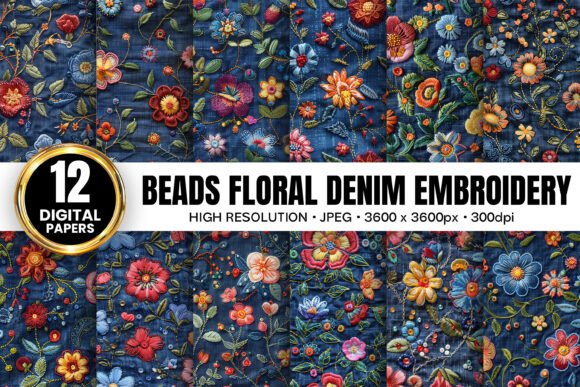
Hoop Size and Readability: Before production, it is vital to check the hoop size constraints. While the provided JPG format 3600 x 3600 pixels or 12″ offers high-resolution clarity, the physical embroidery machine may have limitations. Ensure that fine details remain readable at the intended garment scale. If the design is too small, the intricate patchwork elements may blur together, losing their distinctive character.
Washing Durability: One of the biggest challenges with textured designs is longevity. Bead-like stitches can catch on things or fray if not secured properly. Reinforcing the edges of the patchwork squares with a satin stitch border can help prevent fraying and ensure the finished product withstands repeated laundering.
Value Addition and Brand Identity
Incorporating Beaded Patchwork Embroidery Patterns into your inventory does more than just add a new item; it enhances your brand identity. The unique combination of patchwork and beading sets your small shop product apart from competitors offering standard printed tees. It signals attention to detail and a commitment to quality.
From a marketing perspective, these designs are highly photogenic. The interplay of light on the simulated beads creates natural highlights in photos, reducing the need for excessive editing. This visual recognition can boost customer engagement on social media platforms like Instagram and Pinterest, driving traffic to your Etsy listing or website.
Furthermore, the handmade product appeal is stronger with embroidered items. Customers perceive embroidery as more valuable than screen printing, often willing to pay a premium price. By using high-quality digital embroidery file assets, you bridge the gap between digital convenience and artisanal craftsmanship.
What You Get and Production Notes
The package includes 12 High-Resolution Digital Papers in a single ZIP file. All files are at 300 DPI for Highest Quality, which is essential for creating accurate mockups and previews. However, please note that these are JPG format images, not direct embroidery digitizations (like .PES or .DST files). As a designer, you will need to use these high-res images as reference guides to manually digitize the patterns or use them as printable templates for hand-embroidery projects.
This distinction is important. If you plan to use a commercial embroidery machine, you cannot simply upload a JPG. You must convert the visual design into stitch data, paying close attention to the stitch density and underlay stitches required for stability. Always check the specific requirements of your digitizing software before beginning production.
Final Verdict
Overall, Beaded Patchwork Embroidery Patterns is a versatile and visually compelling resource for creative entrepreneurs looking to expand their apparel offerings. The design strikes a perfect balance between rustic charm and modern elegance. Whether you are targeting crafters interested in hand-stitching projects or apparel decorators aiming for a premium machine-embroidered line, these patterns provide a strong foundation.
By carefully managing technical aspects like stabilizer choice and thread selection, you can transform these digital graphics into tangible, high-value products. They offer the potential to build trust with buyers through superior presentation and to establish a distinct, recognizable voice for your boutique brand. For anyone looking to elevate their hoodie design game, this is a worthy investment.