Aztec Ethnic Jute Embroidery Patterns Review
As an embroidery designer who spends half my life troubleshooting tension issues and the other half hunting for fresh inspiration, I am always looking for assets that bridge the gap between digital convenience and tangible craftsmanship. Recently, I came across the Aztec Ethnic Jute Embroidery Patterns on Creative Fabrica. At first glance, it is listed under Graphics and Patterns, which initially made me pause. Is this just a background image, or can it serve as a viable foundation for a real machine embroidery design? After reviewing the product details—specifically the inclusion of 12 high-resolution JPG files at 300 DPI—I decided to put them through their paces. This review explores whether these design assets hold up in a professional studio environment.
First Impressions: Visual Mood and Detail
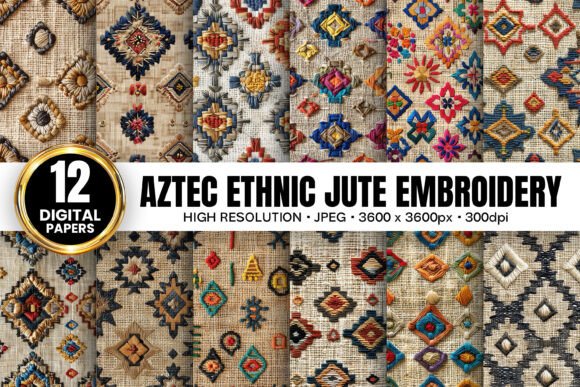
The visual mood of the Aztec Ethnic Jute Embroidery Patterns is distinct. The jute texture provides a rustic, organic base that contrasts beautifully with geometric Aztec motifs. For designers working in bohemian, earthy, or artisanal niches, this aesthetic is highly relevant. The 3600 x 3600 pixel resolution ensures that even when you zoom in to inspect the intricate line work, there is no pixelation. This clarity is crucial because it allows you to trace or digitize specific elements without losing definition.
Unlike flat vector graphics, the simulated texture of the jute adds depth. When used as a reference for creating a custom embroidery file, this texture suggests how the final stitch density might interact with the fabric surface. It feels less like a generic clipart and more like a curated collection of decorative borders and central medallions ready for adaptation.
Practical Application in Real Projects
I evaluated these patterns for potential use in several common commercial categories. Here is how they translate from screen to hoop:
- Tote Bag Design: The Aztec motifs are bold enough to stand out on canvas or cotton tote bags. Using the pattern as a guide for large fill stitches or applique designs can create a striking focal point.
- Sweatshirt Embroidery: For casual wear, the ethnic geometric shapes work well as chest logos or sleeve accents. The jute texture in the source image helps visualize how warm, neutral thread colors might look against the garment.
- Embroidered Patch: The contained nature of many of the 12 patterns makes them ideal candidates for iron-on patches. You can isolate a single motif, add a satin stitch border, and create a durable accessory for denim jackets or backpacks.
- Kitchen Towels and Aprons: These items benefit from the repetitive, seamless nature of some of the patterns. A row of Aztec diamonds along the hem of a kitchen towel adds a touch of handmade elegance.
- Nursery Decor and Baby Items: While the "ethnic" theme can be strong, softer interpretations using pastel thread colors can transform these geometric shapes into modern nursery wall art or blanket trims.
Technical Considerations for Digitizing
Since these are provided as high-resolution JPG images rather than native embroidery formats (like PES or DST), the value lies in your ability to use them as templates for digitizing. Here are critical technical notes to keep in mind:
- Stitch Density Analysis: Before committing to a full production run, analyze the line weight in the patterns. Dense Aztec patterns may require careful underlay stitching to prevent puckering, especially on lightweight fabrics.
- Hoop Size Constraints: Ensure the motifs you choose fit within your standard hoop sizes. Large seamless patterns may need to be split into multiple sections or digitized as all-over prints, which requires advanced machine capabilities.
- Thread Color Contrast: The jute background in the digital preview is brownish-beige. When selecting thread colors for your actual project, remember that dark threads will pop against light fabrics, while light threads may get lost on darker materials. Always test contrast on scrap fabric.
- Stabilizer Selection: For projects involving stretchy knits or curved surfaces like caps, a proper stabilizer is non-negotiable. The geometric nature of Aztec designs demands stability to maintain straight lines and sharp angles.
Impact on Product Value and Branding
Using unique, culturally inspired patterns can significantly elevate the perceived value of a handmade product. Customers buying from Etsy or craft fairs often seek items that feel authentic and thoughtfully designed. The Aztec Ethnic Jute Embroidery Patterns offer a sophisticated starting point that distinguishes your work from mass-produced goods.
Furthermore, these patterns enhance product photography. The inherent texture of the jute theme translates well into photos, adding visual interest to flat lays and lifestyle shots. This visual appeal drives customer engagement and trust, as it signals attention to detail. Whether you are selling custom apparel or personalized gifts, having a cohesive library of such designs helps maintain brand consistency across different product lines.
Final Verdict and Licensing Reminder
The Aztec Ethnic Jute Embroidery Patterns are a solid resource for designers looking to expand their repertoire with ethnic and boho-inspired aesthetics. The high resolution and variety of 12 distinct patterns provide excellent flexibility. However, remember that these are graphic assets intended for inspiration or tracing, not direct-to-machine files.
Before incorporating these designs into any commercial embroidery venture, please review the licensing terms on the Creative Fabrica product page. Understanding the rights regarding finished products is essential for protecting your business. If you are willing to invest time in digitizing these patterns, the result can be a stunning collection of design assets that resonate with today’s market for unique, handmade goods.