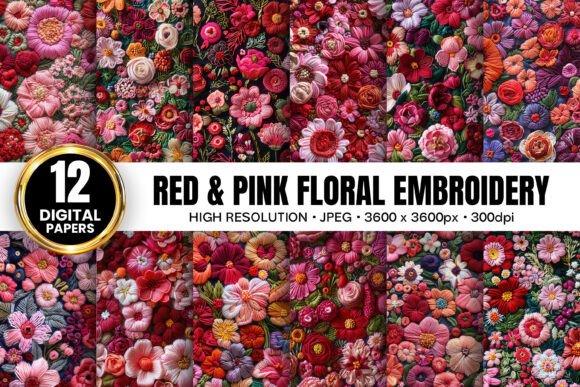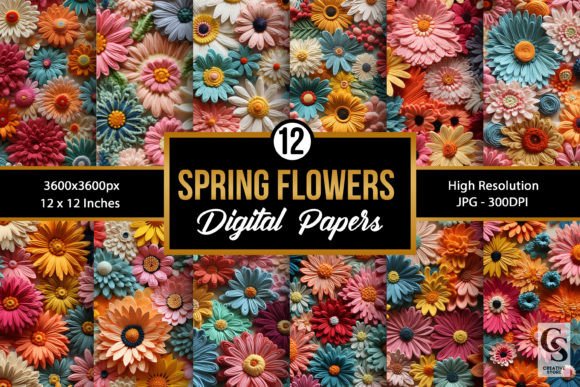
Spring Floral 3D Embroidery Patterns Review
As an embroidery designer who has spent years turning digital concepts into tangible, stitched reality, I approach every new design asset with a mix of excitement and skepticism. When it comes to Spring Floral 3D Embroidery Patterns, the question isn’t just “does it look pretty?” but “will this hold up on a customer’s chest, survive a commercial wash cycle, and elevate my brand identity?” For small business owners, Etsy sellers, and apparel decorators looking to create high-quality merchandise, the difference between a decorative print and a professional embroidered piece is massive. This review breaks down how these specific design assets perform in real-world commercial applications.
First Impressions: Visual Personality and Professional Appeal
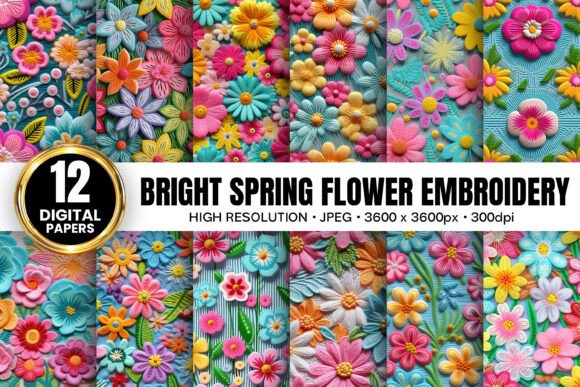
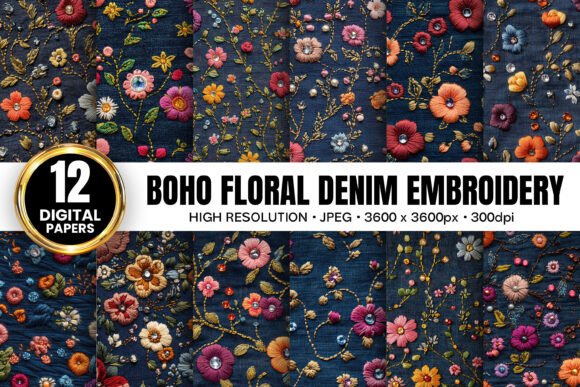
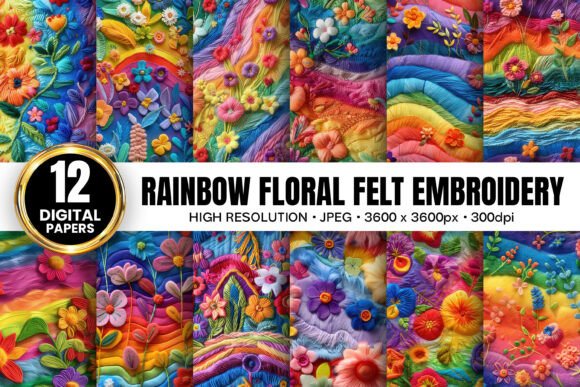
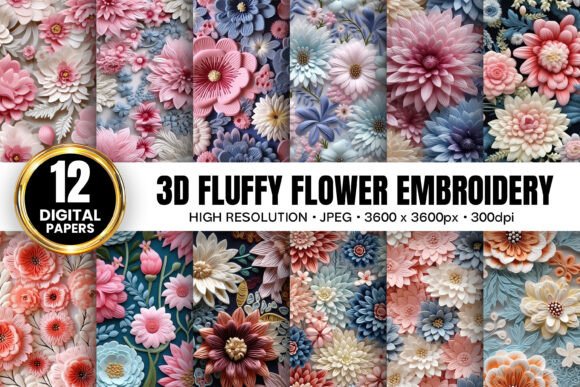
The title alone suggests a vibrant, textured aesthetic. Spring floral motifs inherently carry connotations of renewal, freshness, and organic beauty. In the context of a machine embroidery design, the promise of “3D” implies volume and depth, which translates to a premium feel when stitched. Unlike flat prints that can fade or crack, 3D puff embroidery or raised satin stitches create a tactile experience that customers love to touch.
From a branding perspective, this design strikes a balance between elegant and playful. It is not overly ornate, which means it retains legibility even when scaled down for smaller applications. The seamless nature of the patterns described in the product details suggests versatility. Whether you are running a boutique florist shop, a handmade candle brand, or a local café, the visual personality of these graphics feels friendly yet polished. It avoids the cluttered look of busy all-over prints, focusing instead on distinct, recognizable elements that work well as focal points on garments and accessories.
Real-World Business Applications
The true test of any embroidery file is its adaptability across different products. Based on the specifications—high-resolution 300dpi JPGs sized at 3600 x 3600 pixels—these designs offer excellent clarity for digitizing or printing onto transfer papers for mockups. Here is where they shine in a small business inventory:
- Embroidered Patches: These patterns are ideal for creating sew-on or iron-on patches. The clean lines and floral structure allow for crisp appliqué work or dense stitching without losing detail. A boutique coffee roaster could use a single bloom motif as a logo patch on bean bags, while a pet brand might stitch a delicate flower onto a dog collar tag area.
- Staff Uniforms and Aprons: For bakeries, florists, or salons, uniformity builds trust. Placing a subtle spring floral accent on the chest pocket of a white apron or a navy work shirt adds a touch of professionalism without being distracting. The design’s scalability ensures it looks intentional rather than accidental.
- Caps and Hats: Cap embroidery requires designs that conform to curved surfaces. Spring floral motifs often have natural flow that follows the curve of a cap front panel beautifully. This is a staple item for craft fair vendors and event merch, offering high visibility.
- Tote Bag Design: Canvas totes are a favorite among handmade brands. A centered or corner-placed floral embroidery adds significant perceived value to a simple tote. It transforms a basic accessory into a branded statement piece that customers are proud to carry around town.
- Product Packaging Accents: Beyond apparel, these design assets can be used for custom labels sewn into garment hems or attached to product boxes. This attention to detail reinforces a premium unboxing experience.
Strategic Considerations and Limitations
No design is perfect for every scenario. As a designer, I must advise caution in certain applications to ensure the final product meets quality standards.
Small Patch Sizes: While the digital files are high-resolution, the physical limitations of thread thickness apply. If you plan to reduce these floral patterns to very small sizes (under 2 inches), intricate details may merge together, creating a muddy appearance. Always test at the actual production size before committing to bulk orders.
Curved Surfaces and Tight Spaces: Embroidering on curved surfaces like the sides of caps or the seams of hats requires precise hooping techniques. Designs with sharp, jagged edges might pucker if the fabric tension is not perfectly calibrated. Smooth, flowing petals generally handle curvature better than rigid geometric shapes.
High Stitch Density: The term “3D” often implies heavier stitching. On lightweight fabrics like thin cotton tees or silk blends, excessive stitch density can cause fabric distortion or visible backing through the material. Ensure your chosen fabric weight can support the intended stitch count. Conversely, on dark uniforms, ensure there is sufficient contrast between the thread colors and the base fabric to maintain visibility.
Frequent Washing: For items destined for heavy daily use, such as chef jackets or mechanic shirts, consider the durability of the embroidery. Loose threads can snag. A well-executed underlay and proper stabilizer usage are critical to prevent puckering after multiple industrial washes.
Impact on Brand Identity and Customer Trust
In the world of small business merch, embroidery signals permanence and quality. Customers associate embroidered logos with established brands. By using high-quality digital embroidery file assets like these spring floral patterns, you are signaling that you care about the longevity of your product. It enhances brand identity by adding a layer of craftsmanship that printed graphics cannot replicate.
Furthermore, the seasonal relevance of spring florals allows for dynamic marketing campaigns. You can rotate designs throughout the year, keeping your custom apparel line feeling fresh and current. This variety encourages repeat purchases from loyal customers who enjoy collecting themed items. The tactile nature of embroidery also boosts buyer engagement; people naturally want to touch and feel the texture, creating a stronger emotional connection to the product.
Practical Designer Notes for Production
Before integrating Spring Floral 3D Embroidery Patterns into your production workflow, follow these essential steps:
- Test in Black and White: Convert the design to grayscale to check contrast and composition. If it loses impact without color, the silhouette may need adjustment.
- Check Small Size Legibility: Reduce the design to your smallest expected patch or logo size. Can you still distinguish the individual flowers? If not, simplify the design or increase the minimum production size.
- Review Thread Color Contrast: Select thread colors that pop against your target fabric. Dark florals on black fabric may disappear; light florals on white fabric may lack definition. Test swatches are mandatory.
- Inspect Spacing and Hoop Size: Confirm that the design fits within your standard hoop dimensions. If the pattern is large, ensure you have a machine capable of handling it or plan for multi-hooping strategies.
- Test on Real Fabric: Digital previews do not show how thread interacts with fabric grain. Stitch out samples on the actual materials you intend to sell to check for puckering, bird nesting, or thread breakage.
- Use Proper Stabilizer: The choice of stabilizer (cut-away vs. tear-away) depends on the fabric stretch and final use. Wrong stabilizer choice leads to poor registration and messy backsides.
- Create a Printable Mockup: Use the provided high-resolution JPGs to create realistic mockups for your online store. This helps manage customer expectations regarding the final look.
- Confirm Commercial Licensing: Most importantly, verify the license terms included with the purchase. Ensure you have the right to use these designs for resale on physical goods. Do not assume rights based on the download alone.
In conclusion, Spring Floral 3D Embroidery Patterns offers a versatile, visually appealing solution for businesses looking to add a touch of elegance and texture to their merchandise. With careful planning regarding size, fabric, and production technique, these designs can significantly enhance your product line’s perceived value and brand consistency.