Bright Spring Floral Embroidery Patterns Review
As an embroidery designer who has spent years translating digital art into tangible thread, I approach every new asset with a mix of excitement and skepticism. The market is flooded with generic graphics, but few truly translate well to the needle. When I first encountered Bright Spring Floral Embroidery Patterns, my initial instinct was to evaluate it not just as a pretty image, but as a viable commercial tool for small business merchandise. This review breaks down how these seamless patterns perform in real-world production scenarios, from branded patches to custom apparel.
First Impressions: Visual Personality and Professionalism
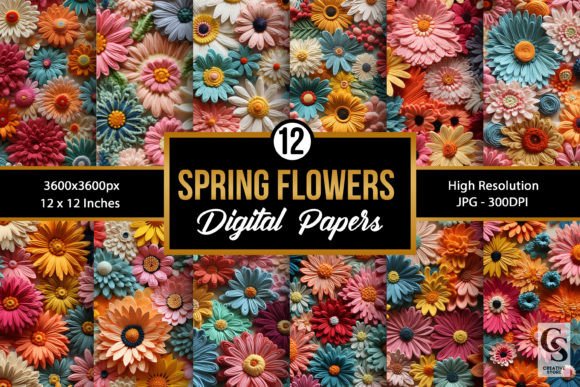
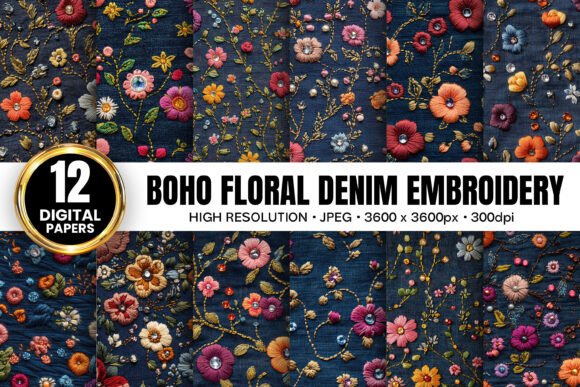
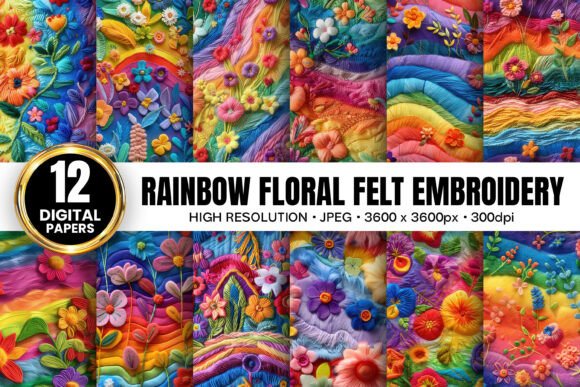
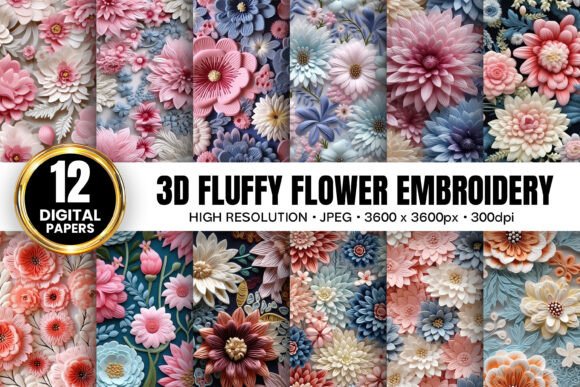
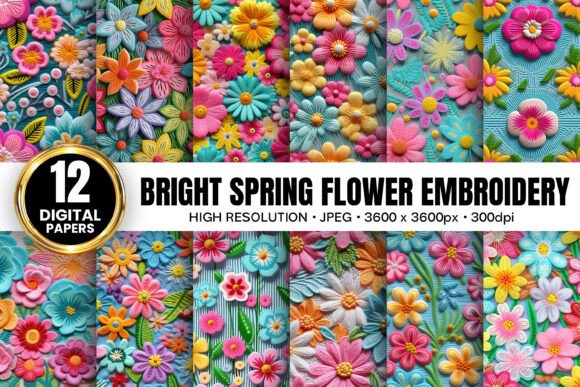
The title alone suggests a specific aesthetic: fresh, vibrant, and seasonally relevant. In the world of branding, "spring" often signals renewal, growth, and approachability. Visually, these patterns feel friendly yet polished. They strike a balance between playful and elegant, making them suitable for a wide range of industries. Whether you are running a boutique florist shop, a handmade candle brand, or a creative studio, the visual weight of Bright Spring Floral Embroidery Patterns feels premium without being overly ornate.
For small business owners, this distinction is crucial. A design that looks too busy can become muddy when stitched, while one that is too sparse may lack impact. These patterns appear to offer enough detail to convey quality but maintain enough negative space to ensure readability at various scales. This makes them an excellent choice for businesses looking to establish a cohesive brand identity through tactile goods.
Real-World Business Applications
The true test of any embroidery file is its versatility across different product types. Here is how Bright Spring Floral Embroidery Patterns translates to common small business merch categories:
- Embroidered Patches: One of the most popular uses for high-quality graphic assets is creating sew-on or iron-on patches. Because these are provided as high-resolution digital papers, they serve as excellent references for digitizers converting the look into a machine embroidery design. The seamless nature allows for repeating motifs on larger patches or centering a focal element on smaller ones.
- Staff Uniforms and Aprons: For cafes, bakeries, and boutiques, uniformity builds trust. Using these patterns for apron embroidery adds a touch of warmth to staff attire. It transforms a standard work shirt into a branded experience, signaling to customers that attention to detail matters.
- Caps and Hats: Cap embroidery requires designs that sit well on curved surfaces. While large all-over prints are rare on caps, using elements from these patterns for chest logos or side accents works beautifully. The spring theme resonates particularly well with outdoor brands, pet businesses, and lifestyle labels.
- Tote Bags and Product Packaging: Canvas totes are a staple for small business merch. These patterns provide a sophisticated backdrop for branding. Furthermore, because the files are 300 DPI JPGs, they can also be used to create printable mockups for client approval before committing to expensive embroidery runs.
- Event Merchandise: For pop-up shops, craft fairs, or seasonal launches, these patterns offer a timely aesthetic that drives engagement. They help your handmade product stand out in a crowded marketplace by feeling current and curated.
Strategic Placement and Brand Identity
Incorporating Bright Spring Floral Embroidery Patterns into your product line does more than just decorate; it communicates values. Consistent use of these visuals across custom apparel, tags, and labels reinforces visual consistency. Customers subconsciously associate high-quality embroidery with high-quality products. When a customer sees a neatly stitched floral motif on a tote bag, they perceive higher value and craftsmanship.
This asset supports commercial embroidery projects by providing a versatile library of design assets. Instead of commissioning custom digitization for every single item, you can leverage these patterns to create variations of your logo or standalone decorative marks. This efficiency is vital for scaling a craft business while maintaining a professional presentation.
Technical Considerations and Production Warnings
While the visual appeal is strong, an experienced designer knows that beauty must be balanced with technical feasibility. Not every graphic translates perfectly to thread. Here are critical areas where caution is required:
- Small Patch Sizes: If you plan to use these patterns for tiny patches (under 2 inches), detail loss is a major risk. Intricate lines may merge together. Always scale down your design digitally before sending it to the digitizer to check for clarity.
- Stitch Density and Outlines: High stitch density can cause fabric puckering, especially on lightweight materials like silk or thin cotton. Ensure the final digital embroidery file has appropriate underlay and pull compensation. Avoid excessive outlines that add unnecessary bulk.
- Thread Color Contrast: The success of any embroidered patch relies on contrast. Test your chosen thread colors against your actual fabric swatch. A light pastel pattern on white fabric will disappear, while dark threads on black fabric may lack definition unless satin stitches are used effectively.
- Fabric Texture and Stabilizer: Rough textures or stretchy knits require careful stabilization. Use the proper stabilizer for your substrate to prevent distortion. For items like tote bag design applications on heavy canvas, a cut-away stabilizer might be necessary to maintain shape over time.
- Curved Surfaces: When applying to cap embroidery or curved sleeves, the pattern may distort if not anchored correctly. Plan your hoop placement carefully to minimize warping.
Practical Designer Notes for Production
Before launching any production run, follow these steps to ensure quality:
- Test in Black and White: Convert the pattern to grayscale to check contrast and composition without the distraction of color.
- Confirm Hoop Size: Ensure the desired design area fits within your machine’s standard hoop size. Large seamless repeats may require multiple hooping operations.
- Create a Mockup: Use the included 3600 x 3600 pixel JPGs to generate realistic printable mockups. Show these to clients or stakeholders for approval before cutting fabric.
- Inspect Spacing: Check the spacing between floral elements. Too much white space can look unfinished; too little can look cluttered.
- Verify Licensing: Most importantly, confirm commercial licensing terms. Just because you purchased the graphics does not automatically grant unlimited commercial rights for resale. Read the fine print to ensure you are compliant.
Conclusion
Bright Spring Floral Embroidery Patterns offers a compelling solution for small business owners seeking to elevate their finished product offerings. Its blend of elegance and playfulness makes it adaptable across various industries, from retail to food service. However, success lies in the execution. By paying attention to technical details like stitch density, thread contrast, and stabilizer choice, you can transform these digital assets into professional, durable, and visually stunning embroidered goods.
For Etsy sellers, merch creators, and local brands, this resource provides a cost-effective way to maintain a high-end aesthetic. Just remember to test thoroughly, respect the limitations of the medium, and always prioritize the integrity of the stitch work. When done right, these patterns will not only decorate your products but strengthen your brand’s reputation for quality and care.