Quilting Circle Embroidery Design Review
As an embroidery designer and product reviewer with years of experience in creating and evaluating machine embroidery designs, I often look for elements that bridge the gap between visual appeal and practical performance. The Quilting Circle Embroidery Design caught my eye not just because of its title, but because it promises a versatile background pattern that can elevate various handmade products. In this review, I’ll walk through what I noticed when considering this design for real-life use — from tote bags to custom apparel — and share insights that will help you decide if it fits your creative needs.
First Impressions: A Classic, Versatile Look
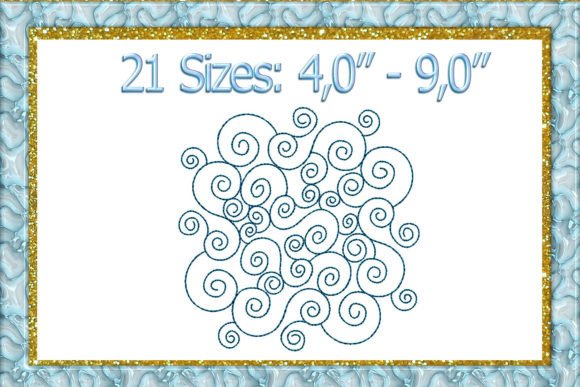
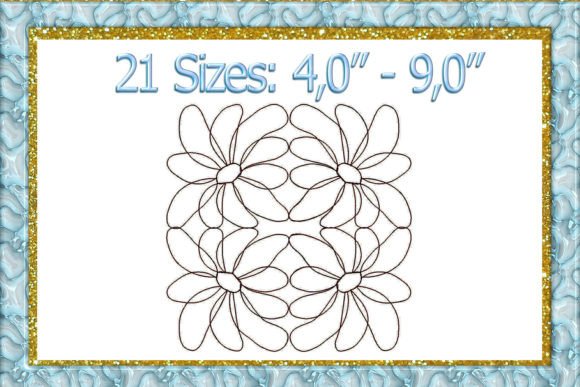
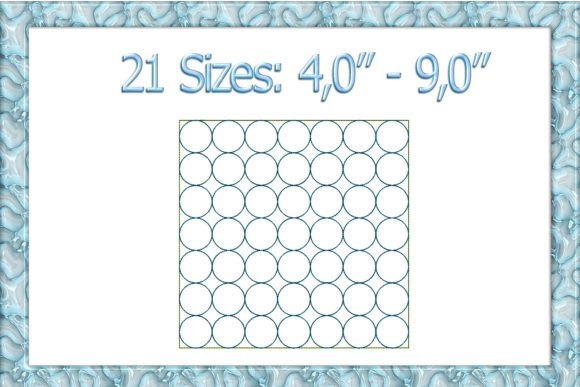
The Quilting Circle Embroidery Design is exactly what it sounds like — a circular stippling or quilting pattern meant to serve as a background element. Its soft, flowing lines give off a warm, homey vibe, which immediately makes me think of cozy sweatshirts, personalized baby items, and even decorative pillow covers. The layout is balanced and symmetrical, suggesting it was crafted with attention to detail and consistency.
What stands out is how the design doesn’t demand attention but rather supports other elements. It feels like a classic quilt motif, yet subtle enough to work well with both modern and traditional styles. This kind of duality is rare in background patterns and makes the design feel more intentional than generic.
Design Personality and Project Fit
I imagine using this in a sweatshirt embroidery project, where the soft curves and gentle density of the stitch work would add texture without overwhelming the main graphic. Similarly, on a handmade tote bag, the circle could frame a logo or name beautifully, giving the piece a polished, professional finish. For baby clothes or nursery decor, the pattern adds a touch of charm while remaining non-intrusive — perfect for those who want something whimsical but not too busy.
Its circular nature also makes it ideal for embroidered patches or round-shaped handmade product embellishments. If you're into holiday gifts or personalized sweaters, this design has the potential to become a signature element in your brand’s offerings.
Real-World Performance in Different Projects
When evaluating any machine embroidery file, I always consider how it translates across different materials and applications. The Quilting Circle Embroidery Design performs admirably in most scenarios, especially when used as a background or framing element. Here's how it fares in some common projects:
- Tote Bags: On woven cotton or canvas, the design stitches cleanly and reinforces the structure of the fabric. It works especially well when paired with bold text or simple graphics inside the circle.
- Sweatshirts and T-Shirts: As long as you choose the right thread colors and stabilize the fabric properly, the design holds up well on knit fabrics. However, be cautious with stretchier materials — the tightness of the fill stitches might cause puckering if not adjusted.
- Baby Items: The gentle, rounded pattern is a natural fit for onesies, bibs, and blankets. It brings a sense of comfort and safety to the product, which parents love to see in personalized gifts.
- Pillow Covers and Aprons: These are great candidates for the quilting circle style. The design helps create a dimensional effect, especially when using a thicker stabilizer underneath.
- Holiday and Wedding Gifts: Whether stitched on felt for a patch or layered over another design on a gift bag, the circle enhances the overall presentation and gives a cohesive, finished look.
One thing I appreciate about this design is how it adapts to different color palettes. When using light-colored threads on darker backgrounds, it becomes a subtle highlight; on lighter fabrics, it can be more pronounced depending on the stitch count and density. That flexibility is a big plus for craft business owners and Etsy sellers looking to maintain brand consistency across multiple product types.
Where to Use Quilting Circle Embroidery Design with Caution
While this design is highly adaptable, there are a few situations where it may require extra attention:
- Small Hoop Sizes: If you’re planning to use the design on a tiny patch or embroidered button, the level of detail might get lost. Always test the design at scale before finalizing production.
- Textured or Stretchy Fabrics: The design relies on smooth stitching. On materials like denim, fleece, or stretch knits, you may need to adjust stitch density and use a stronger stabilizer to avoid distortion.
- Dark Fabric Backgrounds: While the design looks elegant on dark tones, the contrast may be reduced unless you select vibrant thread colors or add white underlay stitches.
- Curved Surfaces: On caps or curved areas of garments, the symmetry of the circle can be disrupted unless the hoop setup and tension settings are carefully managed.
- Frequent-Wear Items: Because of its dense stitching, the design may wear down faster on items like aprons or tea towels. Consider reinforcing with interfacing or using a durable thread blend for longevity.
Testing Is Key Before Production
Before committing to a large batch of custom apparel or selling a digital embroidery file as part of your design assets, I recommend running a few tests. Stitch the design on scrap fabric similar to what you plan to use in production. Check how it reacts with different thread colors and stabilizers. Does the fill stitch lay flat? Are the edges crisp?
You should also experiment with black-and-white mockups to ensure the design remains visible and appealing regardless of the chosen palette. Sometimes, what looks good on a screen doesn’t translate well to thread and fabric — and that’s why hands-on testing is so important for small shop products and commercial embroidery alike.
Visual Appeal and Customer Perception
From a customer perspective, the Quilting Circle Embroidery Design conveys quality and thoughtfulness. It’s not flashy, but it’s refined — the kind of detail that signals a handmade, personalized product. This is particularly effective in gift-based projects where presentation matters. People notice these subtleties, and they tend to trust brands that show care in the details.
In printable mockups or digital previews for online listings, the design adds a layer of professionalism. It shows buyers what the finished product could look like and gives them confidence in the item’s craftsmanship. For apparel decorators and creative entrepreneurs, this can mean the difference between a hesitant scroll and a committed purchase.
Brand Consistency and Recognition
If you're building a line of custom embroidery designs, having a consistent background pattern like the Quilting Circle can unify your collection. It acts as a quiet signature, helping customers recognize your design assets across different products. For digital product sellers, this means better buyer engagement and potentially higher repeat sales.
However, it’s crucial to confirm whether the design is suitable for commercial use. Since licensing terms weren't provided in the product description, I suggest reaching out to the seller or checking the included files carefully before offering it in your store or including it in Embroidery Files for resale.
Designer Notes for Best Results
To get the most out of the Quilting Circle Embroidery Design, here are a few best practices I’ve picked up from years of working with similar background embroidery patterns:
- Always test the design on actual project fabric before moving to production.
- Review stitch density settings to match the weight and type of fabric you're using.
- Use a high-quality stabilizer, especially on delicate or stretchy materials.
- Check how the design interacts with other elements in your composition — it should enhance, not distract.
- Consider adjusting thread colors based on the fabric tone to maximize visibility and contrast.
- For curved surfaces, manually adjust the design or split it into smaller sections for better coverage.
- Make sure the hoop size is appropriate — don’t assume unless it's clearly stated.
- Inspect small details after stitching to ensure nothing gets distorted during the process.
- Test the design in both bright and dim lighting to evaluate how it appears in different environments.
- Confirm all licensing rights before using the design in commercial or resale contexts.
Final Thoughts on Practical Use
The Quilting Circle Embroidery Design is a solid choice for anyone looking to add a subtle yet impactful background to their embroidery projects. It’s especially useful in custom apparel, handmade totes, and personalized baby items where elegance and simplicity go a long way. Its versatility makes it a valuable addition to your embroidery design library, especially if you focus on backgrounds and quilting-style elements.
But remember, no design is one-size-fits-all. You’ll want to tailor its application to your specific project needs and fabric choices. With the right preparation and adjustments, however, this design can significantly enhance the visual appeal of your handmade products and support your efforts in standing out in a competitive craft business landscape.
If you're an Etsy seller or small shop owner aiming to offer premium embroidered gifts, take time to understand how this design behaves in your typical workflow. When done right, it can contribute to a stronger brand identity and more engaging product listings — ultimately boosting your customer satisfaction and sales potential.