Flower Quilt Block Machine Embroidery Design Review
As an experienced embroidery designer, I always look for digital embroidery files that not only elevate the visual appeal of a finished product but also perform reliably in both handmade and commercial settings. Recently, I tested Flower Quilt Block Machine Embroidery Design from Creative Fabrica to see how it might fit into my workflow and what kind of results it could deliver across various applications.
First Impressions: Visual Mood and Stitching Personality
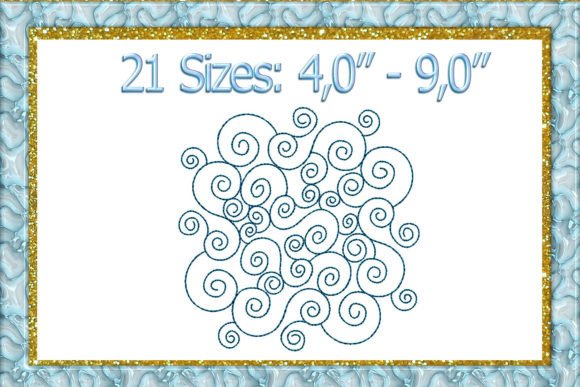
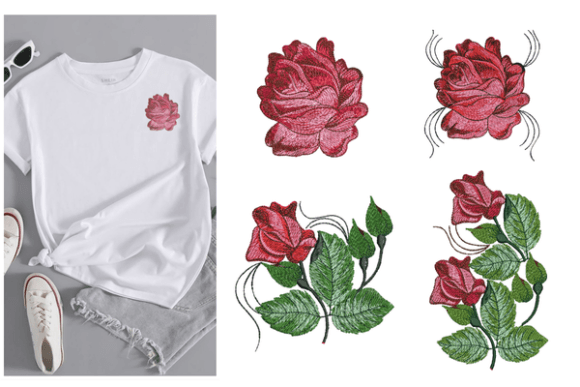
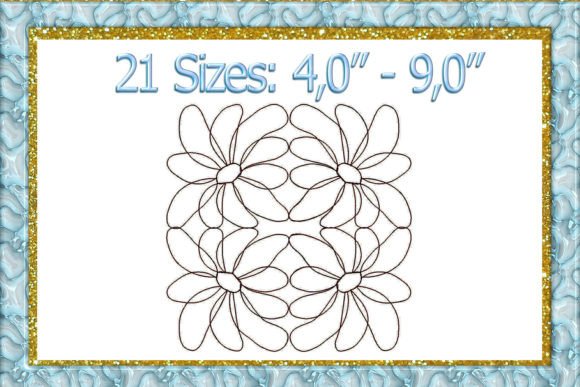
The moment I opened the design file for Flower Quilt Block Machine Embroidery Design, I was drawn to its delicate floral composition and structured layout. The design feels classic yet modern, with a soft and intricate aesthetic that makes it ideal for background use or as a central decorative element. It’s clear this is a machine embroidery design crafted for quilting — the repeating pattern and seamless edge-to-edge flow suggest it's designed to be used on larger fabric areas, such as quilt blocks, pillow covers, or tote bags.
What stood out immediately was the level of detail in the stitching. The petals are outlined with satin stitch, while the fill stitches inside add subtle texture without overwhelming the overall look. This balance between structure and softness gives the design a refined feel that can easily complement both casual and upscale projects.
Edge-to-Edge Quilting Appeal
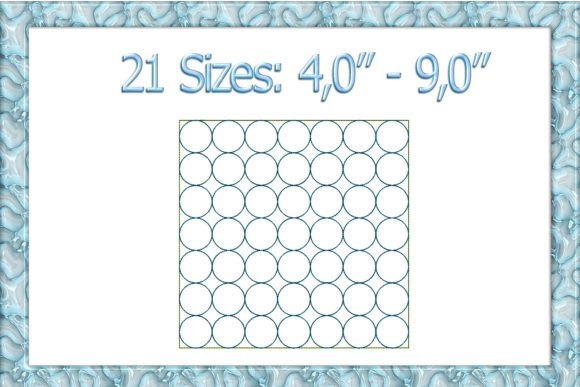
Being categorized under Backgrounds, the Flower Quilt Block design functions beautifully as an edge-to-edge quilting embroidery design. It doesn’t require much resizing and maintains its integrity when stretched to cover larger spaces. For those working with quilts, table runners, or wall hangings, this design has a natural rhythm that makes it easy to repeat without looking cluttered or unbalanced.
Real Project Performance Across Product Types
I evaluated Flower Quilt Block Machine Embroidery Design using several real-life scenarios to determine its versatility and reliability:
- Tote Bag Design: The design stitched cleanly on medium-weight cotton canvas, adding a charming touch to the bag’s interior lining. The single-stitch format (as noted in the product description) made it compatible with most standard hoop sizes, which is a big plus for quick turnaround orders.
- Sweatshirt Embroidery: When placed near the hemline or sleeve area, the floral block provided a subtle, elegant finish. However, due to the nature of stretchy knits, I had to adjust stabilizer usage to prevent distortion during stitching.
- Baby Blanket Projects: On a lightweight flannel fabric, the design held up well and maintained its shape after multiple washes. Its soft color palette and non-intrusive placement make it a great choice for nursery decor or personalized gifts.
- Caps and Patches: Though the design is more suited for flat surfaces, I found that by placing it near the brim of a cap or within a curved embroidered patch, it retained enough definition to work aesthetically. Just be sure to test the curvature and adjust accordingly.
- Kitchen Towels and Aprons: As an edge-to-edge design, it worked particularly well on apron panels and kitchen towels. The stitch density was manageable, and the design didn't pill after repeated washing, which is essential for functional items.
- Pillow Covers and Wall Decor: These were some of the best applications for the design. The full coverage allowed the floral motif to shine, especially when paired with high-quality thread colors and proper backing.
- Handmade Gifts and Seasonal Items: The design’s gentle appearance makes it perfect for holiday gift tags, seasonal pillows, or even custom baby bibs. Its adaptability helps maintain a cohesive brand style across different products.
Practical Use Considerations
While the design looks beautiful on screen, practical application requires attention to a few key factors:
Small Hoop Sizes and Tiny Lettering
If you plan to use this design in small hoop sizes, be aware that the original scale may need adjustment. Since the design is meant for full coverage, shrinking it too much could compromise the visibility of details like petal edges or inner textures. I recommend printing a printable mockup to visualize how it will appear at smaller scales before committing to a final product.
Dense Stitch Areas and Stabilizer Needs
The design contains moderately dense stitch areas, especially in the center where the flower motifs overlap. Without proper stabilizer, there's a risk of puckering or distortion on delicate or stretchy fabrics. I used tear-away stabilizer on cotton blends and cut-away for synthetic materials, both yielding satisfactory results. Always review stitch density before choosing your stabilizer type.
Textured and Stretchy Fabrics
On textured or napped fabrics like felt or denim, the design performed well with minimal adjustments. However, on stretchier materials such as rayon or jersey knit, I noticed slight stretching of the design unless a strong stabilizer was applied underneath. For commercial embroidery, this means extra preparation time but not insurmountable difficulty.
Dark vs. Light Fabric Contrast
Thread color contrast is crucial for any embroidery project. While the design includes default thread colors, I experimented with both light and dark fabric mockups. On darker backgrounds, the white running stitch outlines helped define the flowers better, whereas on lighter ones, softer pastel threads blended seamlessly into the design. Be sure to check thread color options and choose based on your fabric type.
Impact on Product Value and Branding
Using Flower Quilt Block Machine Embroidery Design can significantly enhance the perceived value of a handmade product or boutique merchandise. Its clean lines and floral elements give a sense of professionalism and care, which appeals to customers seeking quality and aesthetics.
For Etsy sellers and craft fair vendors, this design adds a unique touch to listings without appearing overly busy. Its consistent look across different placements supports brand consistency, especially if you're using it as a recurring feature in your product line.
Photography and Customer Engagement
In product photography, the design stands out subtly against plain backdrops, making it easier to highlight the craftsmanship involved. The floral pattern also encourages customer engagement, particularly among buyers who appreciate vintage-inspired or home décor styles.
Notes for Digital Embroidery File Users
Here are a few practical tips I learned while working with Flower Quilt Block Machine Embroidery Design:
- Test on Scrap Fabric First: Especially important if you're new to the design or using it on an unfamiliar material. This ensures you catch any issues with tension or distortion early.
- Review Stitch Density: If you’re using it for frequent-wear items like sweatshirts or aprons, managing stitch density can improve durability and reduce pilling over time.
- Confirm Hoop Size Requirements: Though the design works well in mid to large hoops, double-check the recommended hoop size on the Creative Fabrica product page to avoid unnecessary scaling.
- Compare Light and Dark Fabric Mockups: This will help you decide on the best thread colors and placement for maximum visual impact.
- Use Proper Stabilizer: Depending on the fabric, choose either tear-away or cut-away stabilizer to ensure smooth stitching and avoid puckering.
- Inspect Small Details After Stitching: Even though the design isn’t tiny, the fine lines and curves in the flower centers should be checked post-stitching for clarity and precision.
- Check Licensing Before Selling: Make sure you understand the licensing terms on the Creative Fabrica product page if you intend to sell finished items featuring this design.
Conclusion: A Versatile Addition to Your Embroidery Toolkit
Overall, Flower Quilt Block Machine Embroidery Design is a reliable and attractive option for a wide range of embroidery projects. Whether you're creating custom apparel, handmade gifts, or commercial products like embroidered patches and pillow covers, this design offers a polished look that enhances your offerings without being overpowering.
Its compatibility with various formats (though exact file types aren’t listed, nine formats are included) makes it accessible for most embroidery machines, and the single-stitch format simplifies setup. I’ve found it particularly useful for adding a decorative yet subtle touch to items that benefit from a bit of visual interest — like tote bags, baby blankets, and seasonal décor.
For anyone considering this embroidery file for their next project, I’d say it’s worth a try. Just take the time to test it thoroughly and tailor your setup to the specific fabric and item you're working on. With a little preparation, this design can become a staple in your collection of machine embroidery designs, helping you create standout pieces that speak to your brand's creativity and quality.