ITH Mini Bag Butterfly Embroidery Review
As an embroidery designer who has spent years refining designs for small business merchandise, I approach every new digital file with a mix of creative excitement and commercial skepticism. When you are producing branded patches, staff uniforms, or customer-facing merchandise, the difference between a "nice design" and a "profitable asset" often comes down to stitch density, scalability, and brand alignment. Today, I am reviewing the ITH Mini Bag Butterfly Embroidery design, specifically evaluating its potential for use in small business product lines, from boutique tote bags to branded aprons and cap accents.
This review is written for Etsy sellers, apparel decorators, craft business owners, and anyone looking to elevate their small business merch through high-quality custom apparel details. We will look at how this machine embroidery design performs in real-world production scenarios, where it shines, and where caution is required.
First Impressions: Visual Personality and Brand Fit
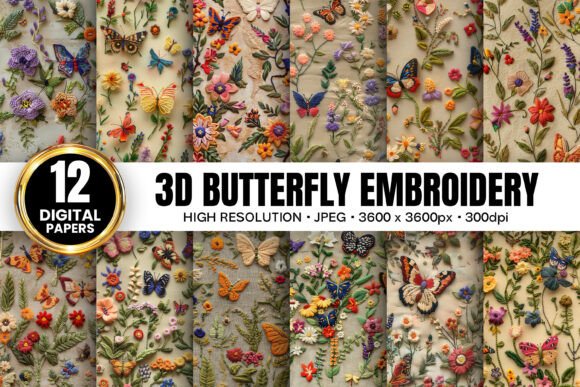
The title ITH Mini Bag Butterfly Embroidery suggests a design that is delicate, feminine, and likely playful. In the world of brand identity, visual personality is everything. A butterfly motif inherently communicates transformation, beauty, and lightness. For businesses in the floral, bakery, pet care, or handmade gift sectors, this imagery aligns perfectly with a friendly, premium, and elegant aesthetic.
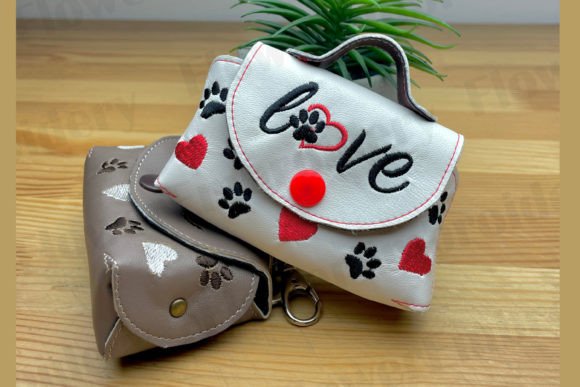
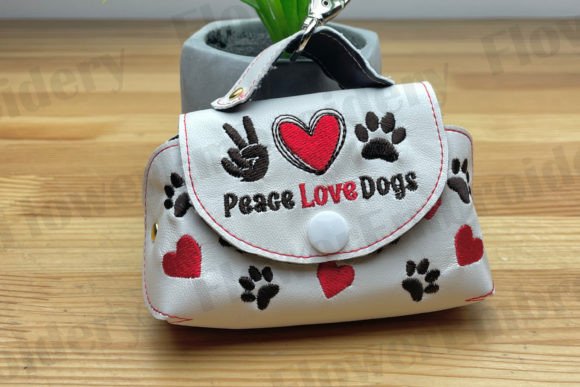
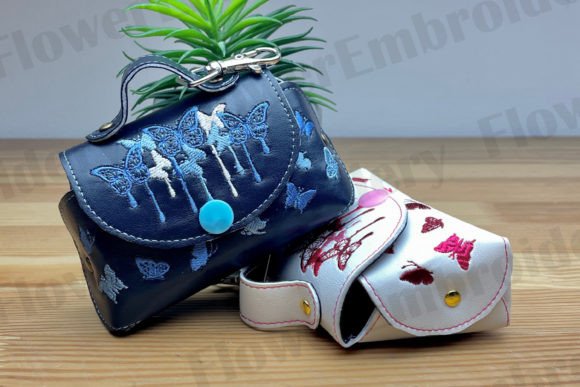
However, as a designer, my first question is always about execution. Does the design feel bold enough to be seen, or does it risk getting lost? Based on the description indicating it is suitable for mini bags, chapstick holders, and tissue holders, we can infer that this design is intended to be a focal point on a small surface area. It likely relies on clean lines and distinct thread colors to maintain legibility. If the design leans too heavily into intricate, tiny details, it may lose its impact when digitized for mass production. The ideal outcome here is a design that feels handmade and artisanal without sacrificing the crispness expected in professional commercial embroidery.
Real-World Business Applications
Where does the ITH Mini Bag Butterfly Embroidery truly add value to a small business? Let’s break down specific use cases based on my experience with similar design assets.
- Embroidered Patches: This design is an excellent candidate for creating sew-on or iron-on patches. Small businesses often use patches as a cost-effective way to brand products. Because the butterfly motif is self-contained, it translates well into a patch format, allowing customers to attach them to denim jackets, backpacks, or hats. This expands your product line beyond just the embroidered item itself.
- Apron Embroidery: For bakeries, cafes, and florists, branded aprons are essential. Placing the butterfly design on the chest pocket or lower hem of a canvas apron adds a touch of sophistication. It signals to the customer that attention to detail matters, which builds customer trust and enhances the perceived value of the service.
- Tote Bag Design: Canvas totes are a staple of Etsy branding. A centered or corner-placed butterfly embroidery offers a subtle yet stylish alternative to screen printing. It elevates the bag from a simple giveaway to a keepsake item, encouraging repeat usage and organic marketing.
- Cap Embroidery: While caps present challenges due to curvature, a smaller butterfly design can work beautifully on the front panel or side of a baseball cap. It serves as a unique logo accent for youth-oriented brands or creative studios.
- Product Packaging Accents: Consider embroidering this design onto small fabric tags attached to jewelry boxes, candle packaging, or soap wrappers. This tactile element significantly boosts the unboxing experience, making the finished product feel more luxurious.
Staff Uniforms and Event Merch
For local businesses hosting events or pop-up shops, consistency is key. Using the same embroidered patch or logo placement across all staff members creates a unified team appearance. The butterfly design, being non-textual, avoids language barriers and works universally. It projects a sense of professionalism while remaining approachable and warm.
Critical Evaluation: Where to Use Caution
No design is perfect for every application. As an experienced designer, I must highlight the areas where the ITH Mini Bag Butterfly Embroidery might face challenges if not handled correctly.
Small Patch Sizes and Legibility: The primary concern with any detailed embroidery design is scale. If you plan to reduce this design significantly for use on a chapstick holder or a tiny label, you risk losing definition. Fine lines may merge together, resulting in a muddy appearance. Always test the design at 50% and 75% scale before committing to production. If the outlines become too thin, consider simplifying the digitization or increasing the spacing between elements.
High Stitch Density: Designs with high stitch density can become stiff and bulky. For items like tote bags or soft apron embroidery, excessive bulk can distort the fabric or make the item uncomfortable to wear. Ensure the digitizer has used appropriate underlay stitches to stabilize the fabric without adding unnecessary weight. If the back of the embroidery shows heavy stitching, it may snag on other materials during shipping or use.
Fabric Texture and Dark Uniforms: The performance of this design will vary depending on the base material. On smooth cotton or polyester blends, the design should render sharply. However, on textured fabrics like burlap or heavy tweed, the fine details of the butterfly wings may get lost. Additionally, if using dark uniforms, ensure there is sufficient contrast between the thread colors and the background fabric. Light pastel threads may disappear against black or navy backgrounds unless a dense underlay is used.
Curved Surfaces: Embroidering on curved surfaces like cap fronts requires specialized techniques. If the design includes straight lines or text (though unlikely for a pure butterfly motif), distortion is a risk. Pure graphic motifs like butterflies generally fare better, but the hoop tension must be carefully managed to prevent puckering.
Impact on Brand Identity and Customer Trust
In the competitive landscape of handmade products and small business merch, quality speaks volumes. A well-executed embroidery project demonstrates investment in your brand. When a customer sees a crisp, clean digital embroidery file translated into a physical product, it reinforces the idea that your business cares about quality control.
The butterfly motif, in particular, can enhance brand identity by associating your products with nature, growth, and elegance. This emotional connection can drive buyer engagement and loyalty. Customers are more likely to share photos of aesthetically pleasing, high-quality items on social media, providing free marketing for your brand. Consistency in using this design across various touchpoints—tags, bags, and uniforms—creates a cohesive visual narrative that strengthens recognition.
Practical Designer Notes for Production
Before integrating the ITH Mini Bag Butterfly Embroidery into your production workflow, follow these essential steps to ensure success:
- Test in Black and White: Convert the design to monochrome to check the balance of negative space. If the design looks cluttered in black and white, it will likely struggle in color.
- Check Hoop Size Compatibility: The product description notes suitability for 7 x 10 inch hoops. Verify that your machine’s hooping capabilities match this requirement. If your machine only supports smaller hoops, you may need to split the design or adjust the placement.
- Review Thread Color Contrast: Select thread colors that offer strong contrast against your target fabric. Avoid low-contrast combinations that can make the design look faded or dirty.
- Inspect Spacing and Density: Zoom in on the digitized file. Are the stitches too close together? Is there enough gap between the wings and the body? Good spacing ensures the design breathes and remains legible.
- Test on Real Fabric: Never rely solely on digital mockups. Embroider a sample on the actual fabric you intend to use. Check for puckering, thread breaks, and stability. Use the proper stabilizer for your fabric type; tear-away stabilizers are typically best for woven fabrics, while cut-away may be needed for stretchy materials.
- Create a Printable Mockup: Before full-scale production, create a printable mockup to visualize the design on your final product. This helps in client approvals and marketing material creation.
- Confirm Commercial Licensing: Most importantly, verify the licensing terms of the embroidery file. Ensure you have the right to sell finished goods made with this design. Some digital files are for personal use only, which would restrict your ability to use them for commercial embroidery projects.
Final Verdict
The ITH Mini Bag Butterfly Embroidery offers a charming and versatile option for small business owners looking to add a touch of elegance to their merchandise. Its suitability for mini bags, chapstick holders, and tissue holders makes it an ideal choice for creating cohesive product sets. With careful attention to stitch density, fabric selection, and scaling, this design can effectively support your brand identity and enhance the perceived value of your handmade products.
By treating this design not just as a decoration but as a strategic business asset, you can leverage its visual appeal to build trust, encourage engagement, and stand out in a crowded market. Remember to always test thoroughly and confirm licensing before production to ensure a smooth and profitable launch.