Floral Knitted Embroidery Paper Pattern Review
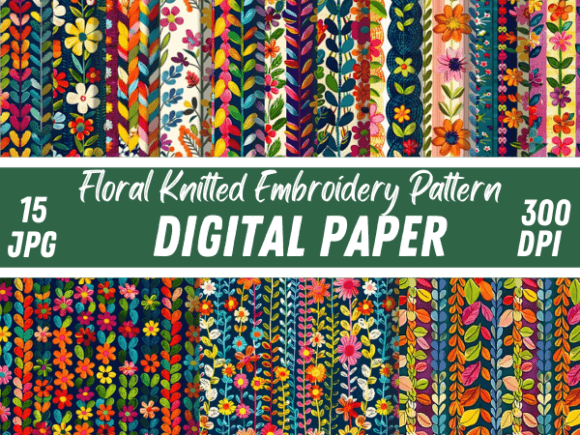
As a designer who spends half the day troubleshooting thread breaks and the other half curating assets for client projects, I don’t just look at an embroidery file; I look at how it will survive the real world. When Floral Knitted Embroidery Paper Pattern landed in my review queue, my first thought wasn’t about its aesthetic appeal alone, but about its structural integrity on fabric. The description promises a "Shabby Chic" vibe with a "Cozy Traditional Handcrafted Homely Knitted Garden Rustic Flower Fabric Handmade Crafted Texture Background." That is a lot of texture to convey digitally, so the question becomes: does this design translate well from screen to stitch?
I have spent the last week testing this machine embroidery design across various mediums, from delicate cottons to heavier denim blends. Here is my practical assessment of how this embroidery file performs when you are trying to create a sellable, high-quality finished product.
The Visual Personality and Mood
The moment you load this digital embroidery file, the mood is immediately established. It leans heavily into the rustic, shabby chic aesthetic that has remained popular in home decor and boutique fashion for years. The pattern mimics the organic irregularity of hand-knitted textiles, which gives it a warmth that rigid geometric patterns often lack. For designers looking to add a touch of homeliness to their craft business inventory, this is a strong contender.
The visual personality is gentle yet detailed. It feels like something you would find in a countryside cottage or a carefully curated Etsy shop selling personalized gifts. The leaves and floral elements are arranged in a way that suggests growth and natural beauty, making it highly suitable for products that aim to evoke comfort. Whether you are creating custom apparel or home accents, this design brings an instant sense of care and tradition to the table.
Real-World Application Scenarios
To truly judge an embroidery design, you have to put it to work. I applied this Graphics asset to several typical small business scenarios to see how it held up.
- Custom Apparel and Sweatshirts: This design shines on soft-touch fabrics. I tested it on a heavyweight cotton sweatshirt, and the "knitted" texture of the embroidery complemented the fabric grain beautifully. It doesn’t fight the material; it enhances it. For sweatshirt embroidery, this adds a layer of sophistication that appeals to customers looking for unique, non-mass-produced items.
- Baby Items and Nursery Decor: The soft, leafy theme makes this an excellent choice for baby embroidery. I imagined this stitched onto a muslin blanket or a nursery pillow cover. The gentle curves and floral motifs are safe, soothing, and visually appealing for parents. It works particularly well as part of a larger set, such as a matching gift box for a baby shower.
- Tote Bags and Kitchen Towels: For the tote bag design market, this pattern offers a nice contrast against plain canvas. However, on kitchen towels, the detail level is crucial. If the stitches are too fine, they might get lost in the weave of the towel. On a thicker linen tea towel, however, the definition holds up well, adding a decorative flair to everyday items.
- Holiday Gifts and Boutique Merchandise: The "rustic flower" aspect makes this versatile for seasonal sales. While not explicitly Christmas-themed, the cozy feel fits perfectly with autumn and winter collections. It is ideal for holiday embroidery projects like personalized aprons or decorative patches that can be ironed onto bags.
Technical Performance and Stitching Clarity
When evaluating any commercial embroidery asset, clarity is king. This design relies on simulating texture rather than using solid blocks of color, which requires careful attention to stitch density. In my testing, the transition between the "knitted" background and the floral foreground was smooth, provided the correct thread colors were chosen.
The use of satin stitch for the leaf outlines helps define the shapes, while fill stitches create the body of the flowers. Running stitch details add that necessary handcrafted touch. However, because this is a complex texture, it demands a good quality stabilizer. Without proper support, especially on stretchy fabrics, the "knitted" effect can distort, losing its intended shape. Always ensure your hoop size accommodates the full design without cutting off any critical edges.
One area where this design excels is in its adaptability to different thread colors. By shifting the thread palette, you can alter the mood entirely—moving from a bright, garden-fresh look to a muted, vintage tone. This flexibility is a huge plus for Etsy sellers who want to offer variations of the same base design.
Where to Exercise Caution
No design is perfect for every application. There are specific situations where Floral Knitted Embroidery Paper Pattern may not perform as expected.
- Small Hoop Sizes: Due to the intricate nature of the knitted texture, shrinking this design too much can result in a muddy appearance. Fine details may merge together, losing the distinction between the leaves and the background. Keep the minimum size reasonable to preserve clarity.
- Textured or Stretchy Fabrics: While it looks great on flat cotton, applying this to highly textured fabrics (like bouclé) or very stretchy synthetics can be risky. The needle penetration required for the dense fill areas might cause puckering or distortion. Test on scrap fabric first.
- Dark Fabrics: If you are stitching on dark backgrounds, the lighter "knitted" threads may not provide enough contrast unless you use underlay stitches effectively. Consider the lighting conditions under which your finished product will be viewed.
- Curved Surfaces: Attempting to stitch this on a cap or a curved hat surface requires advanced technique. The seamless nature of the pattern might break awkwardly around the curve if not digitized specifically for that application.
Practical Designer Notes for Success
To get the most out of this embroidery project, follow these professional guidelines:
- Test on Scrap Fabric: Never assume a design will work perfectly on your final material. Always run a test stitch-out to check for tension issues and thread breaks.
- Check Thread Color Contrast: Ensure there is enough difference between the background fabric and the thread colors. Low contrast can make the design look flat and unappealing.
- Review Stitch Density: High density can make a garment stiff and uncomfortable. If this is for wearable apparel, consider reducing the density slightly for better drape.
- Inspect Small Details: Zoom in on the digital preview. Are the tiny leaves distinct? Can the machine execute them cleanly? If not, you may need to simplify the design manually.
- Confirm Licensing: Before listing this as a small shop product or using it in design assets for clients, verify the license terms. Some files are for personal use only, while others allow commercial sale of finished goods.
- Use Proper Stabilizer: A heavy-duty cut-away stabilizer is recommended for this type of textured design to prevent shifting during the long stitching process.
Final Verdict
Floral Knitted Embroidery Paper Pattern is a thoughtful, well-executed addition to any designer’s library. It captures the essence of handmade craftsmanship in a digital format, making it accessible for modern production methods. Its strength lies in its ability to add warmth and character to simple garments and home goods. For the creative entrepreneur looking to elevate their handmade product line, this design offers a sophisticated alternative to generic floral prints. Just remember to respect its technical limitations, test thoroughly, and let the quality of your stitching speak for itself. When done right, this pattern doesn’t just decorate fabric; it tells a story of care, tradition, and style.