Floral Border Embroidery Design Review for Small Business Merch
First Impressions: A Versatile and Elegant Border Pattern
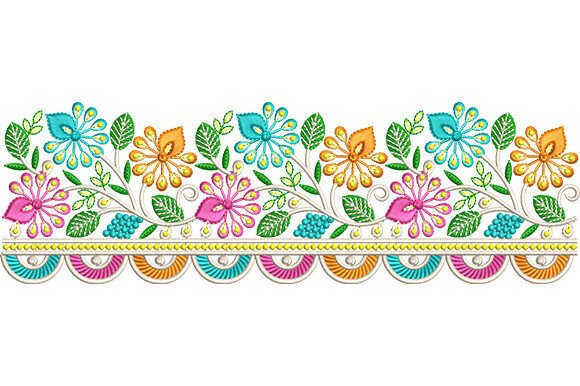
As an experienced embroidery designer, I recently reviewed the Floral Border machine embroidery design with a focus on its potential for small business merchandise. The title and description immediately convey a sense of charm and elegance, which aligns well with brands that want to express creativity, quality, and a personal touch.Real-World Applications in Commercial Embroidery Projects
One of the strengths of the Floral Border is its adaptability across different product types. Here are some practical use cases where this design shines:- Embroidered Patches: The Floral Border works beautifully as a decorative patch outline. It can be used to encase a brand logo, name, or slogan, giving the patch a polished and cohesive look.
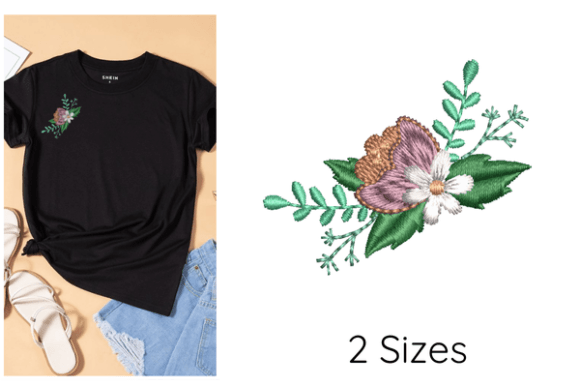
- Staff Uniforms: When applied as a sleeve detail or chest accent, it adds a touch of class without being distracting. This makes it ideal for boutique staff uniforms or café aprons where aesthetics matter.
- Cap Embroidery: On the back of a cap or along the brim, the border serves as a refined background for embroidered text or a small emblem. Just keep in mind the limited space here.
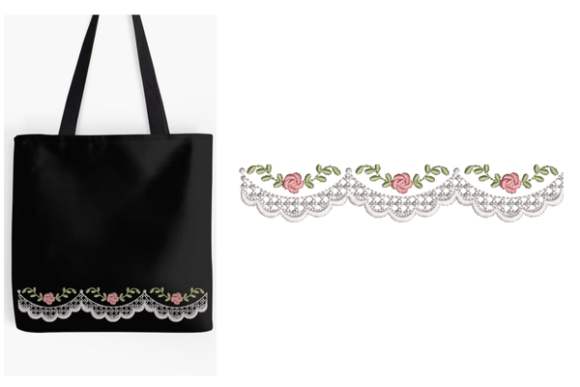
- Tote Bag Design: Around the edges or near the handles, the border enhances the visual appeal of a tote bag while framing any branding or product details elegantly.
- Apron Embroidery: Especially for bakeries or florists, the floral theme complements the nature of the business and elevates the appearance of custom aprons. Product Packaging Accents: Used subtly on tags or labels, it can give packaging a more premium feel, helping reinforce your brand identity.
Visual Personality and Branding Impact
From a branding perspective, the Floral Border contributes significantly to brand identity by offering a consistent and stylish visual element. It's particularly effective for brands that want to communicate warmth, creativity, and a handmade aesthetic. When used correctly, the border helps establish visual consistency across multiple product lines—caps, bags, patches, and work shirts. This consistency builds customer trust and recognition, making it easier for clients to identify your brand at a glance. The elegant nature of the design also enhances the perceived product value, which can justify higher pricing for custom-branded items.Design Considerations for Production
While the Floral Border looks great on paper, there are several factors to consider when using it in real-world commercial embroidery projects:- Test in Black and White First: Before finalizing thread colors, try the design in grayscale to evaluate its shape and flow. This helps avoid issues with stitch density and visibility on certain fabrics.
- Check Performance at Small Patch Sizes: As a border, it may lose definition if shrunk too much. Always test how it appears at the smallest intended size for embroidered patches or cap embroidery.
- Review Thread Color Contrast: Choose thread colors that complement your brand palette but also ensure readability and visibility, especially if the border will frame text or logos.
- Inspect Spacing and Flow: Borders need to wrap smoothly around shapes. Ensure the design has even spacing and doesn’t bunch up or distort when placed on curved surfaces or rounded corners.
- Confirm Hoop Size Requirements: Depending on the size of the finished product, the design might require a larger hoop. Check specifications or run tests to avoid resizing complications.
- Test on Real Fabric: Stitch density and fabric texture can affect the outcome. Run a sample on the actual material you plan to use—especially if it's a textured or stretchy fabric like linen or cotton twill.
- Use Proper Stabilizer: Given the detailed nature of the pattern, a cutaway or tear-away stabilizer is recommended to maintain the integrity of the design during stitching.
- Create a Printable Mockup: Show your client how the design will appear on their chosen item. A mockup helps set expectations and ensures approval before production begins.
- Compare With Other Design Assets: Make sure the Floral Border complements your existing logo, font styles, and color schemes. It should enhance—not clash with—your overall branding strategy.
- Confirm Commercial Licensing: Before using the digital embroidery file in any commercial embroidery project, verify that it allows for multiple uses and sales of finished products.
Where to Use With Caution
Despite its charm, the Floral Border isn't suited for every application. Here are some areas where you should proceed carefully:- Small Patch Sizes: Due to the intricate details, it may become hard to read or visually unbalanced when used in very compact formats.
- Cap Fronts: Unless simplified, the design could overwhelm the front of a cap. Consider using it only on the back or sides where there’s more room.
- Curved Surfaces: The border may require adjustment to fit properly around curves like sleeves or necklines. Manual tweaking could be necessary for optimal results.
- Tiny Lettering: If your border frames text, ensure the lettering is large enough to remain legible after embroidery.
- High Stitch Density: The pattern includes dense sections that may cause puckering or distortion on delicate fabrics. Test thoroughly before mass production.
- Textured Fabrics: The design may not lay flat on rougher materials like canvas or denim without proper stabilizer support.
- Dark Uniforms: Light-colored threads might not show up clearly on dark backgrounds. Plan for high contrast or consider alternative placement options.
- Frequent Washing: For items like aprons or tote bags that see daily use, assess whether the border will hold up over time. Reinforce with appropriate thread weight and backing if needed.
Boosting Brand Identity Through Thoughtful Embroidery
Using the Floral Border thoughtfully can elevate your brand’s image. The design’s elegance supports a brand identity that values artistry, quality, and attention to detail. Whether you're working with a bakery’s aprons or a creative studio’s tote bags, the border can act as a signature element that ties all your small business merch together. For handmade product lines, the border adds a curated, artisanal feel that appeals to craft-conscious consumers. In custom apparel settings, it helps differentiate your designs from generic, mass-produced items, increasing buyer engagement and loyalty. Moreover, the border can serve as a visual anchor for your logo or text, ensuring that key information remains central and prominent. This is especially useful in printable mockups and design templates where clarity and cohesion are essential.Final Designer Notes and Recommendations
Before incorporating the Floral Border into your next commercial embroidery job, take these steps:1. Test It Early: Run samples in different thread colors and on various fabric textures to understand how it behaves in practice.
2. Keep Stitch Count in Mind: Although exact numbers aren’t provided, assume that the border has moderate to high stitch density. Adjust hoop sizes accordingly and monitor tension to prevent puckering.
3. Match Your Brand Tone: If your brand is playful or edgy, this border might not be the best fit. But for those aiming for a warm, inviting, or artistic presence, it’s a strong choice.
4. Use as a Frame or Accent: Instead of letting it dominate the piece, use it to highlight logos, names, or slogans. Think of it as a supporting design asset that enhances the main message.
5. Confirm File Format and Compatibility: Ensure the embroidery file is compatible with your embroidery software and machine. Some files may require conversion or editing for specific applications.
In summary, the Floral Border is a well-crafted machine embroidery design that brings elegance and charm to branded patches, custom apparel, and promotional items. With careful planning and testing, it can become a valuable part of your design toolkit—helping your small business stand out with style and substance.