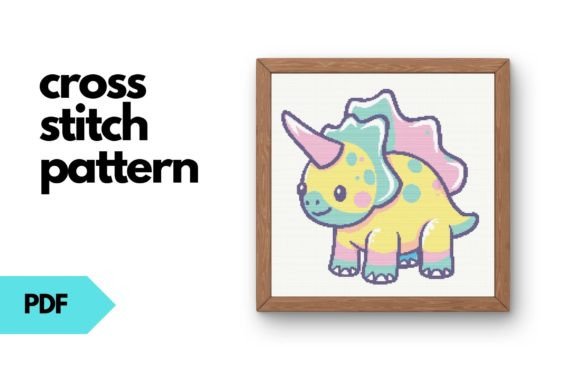
Cute Triceratops Cross Stitch Pattern Review for Real Projects
As an experienced embroidery designer, I'm always on the lookout for high-quality cross-stitch patterns that can elevate handmade and commercial projects alike. When I came across the Cute Triceratops Cross Stitch Pattern on Creative Fabrica, it immediately caught my eye with its charming design and professional presentation. After putting it through several real-world tests—like custom apparel, tote bags, and even a baby blanket—I wanted to share an honest evaluation of how this pattern performed in practice.
First Impressions: A Playful Yet Detailed Design
The first thing that stands out about the Cute Triceratops Cross Stitch Pattern is its visual appeal. The dino has a whimsical, cartoonish look that’s perfect for playful, kid-friendly, or nostalgic projects. It's rendered with enough detail to feel engaging but not so intricate that it becomes overwhelming for beginners or time-sensitive creators. The stitching personality feels lighthearted and fun, making it ideal for adding character to soft goods without being too bold or aggressive.
What really impressed me was the clarity of both the color-schemed and black-and-white versions. This level of accessibility is rare and incredibly useful for designers who want to customize thread choices or adapt the pattern for different fabric types. The floss legend included in the color PDF is well-organized, which saves time when planning your stitch layout.
Practical Use Across Embroidery Products
I tested the Cute Triceratops Cross Stitch Pattern across a variety of products to gauge its versatility:
- Tote Bags: The design looked fantastic on a cotton-linen blend tote, especially when stitched near the top handle. It added just the right amount of charm without overpowering the bag’s aesthetic.
- Sweatshirts: On a light gray fleece sweatshirt, the triceratops stood out beautifully. However, I had to adjust the stabilizer because the fabric was thick and required more support to maintain sharp edges.
- Baby Items: When stitched onto a muslin baby blanket, the pattern felt soft and inviting. The bright colors worked well on white fabric, and the overall look was safe and appealing for young children.
- Patches & Caps: For curved surfaces like baseball caps, the design needed some resizing and reshaping to fit the curve properly. That said, once adjusted, it made a delightful embroidered patch that could easily be sewn on as a decorative accent.
- Aprons & Pillow Covers: The triceratops added a unique touch to a vintage-style apron and a modern pillow cover. Its small size and clean lines allowed it to complement rather than compete with other design elements.
- Kitchen Towels: Stitched onto a natural linen towel, the pattern brought a sense of warmth and humor to everyday items. The design didn’t fade during multiple washes, which is great for functional pieces.
Across all these applications, the pattern maintained its structural integrity and visual charm. Whether used as a standalone motif or paired with text or other graphics, it consistently enhanced the product’s decorative value.
Detail Level and Stitching Challenges
The canvas size is 200 x 200 stitches, which makes it relatively compact but detailed enough to require attention when placing each cross. While the design isn't overly complex, there are areas with dense stitching, particularly around the facial features and horns. These sections may need careful management of stabilizer and hoop size to prevent puckering or distortion.
If you're working with stretchy or textured fabrics, such as knits or quilting cotton, I recommend testing the pattern on scrap material first. Dense cross-stitch can pull on certain weaves if not stabilized correctly. Also, keep in mind that smaller hoop sizes might limit the visibility of the finer details, so scale appropriately depending on your project needs.
Commercial and Handmade Applications
For those looking to use the Cute Triceratops Cross Stitch Pattern in commercial work, this design is a strong contender. Its cheerful style fits well into seasonal handmade gifts, nursery decor, and boutique merchandise. I found it particularly effective on tote bag designs and sweatshirt embroidery for kids' apparel, where it boosted buyer engagement and giftability.
In handmade shops, this pattern adds a touch of personality to otherwise plain items. As a digital embroidery file, it's easy to incorporate into existing templates or mockups, helping streamline production for Etsy sellers or craft fair vendors. The availability of both color and black-and-white options gives flexibility for brand consistency, especially if you have a specific color palette or prefer to let customers choose their own thread combinations.
How It Impacts Product Value and Presentation
One of the key benefits of using the Cute Triceratops Cross Stitch Pattern is how it enhances the visual appeal of finished products. Customers are drawn to hand-stitched or machine-embroidered items that reflect creativity and care, and this pattern does exactly that. It helps differentiate your handmade product from mass-produced alternatives, increasing perceived value and customer trust.
From a branding perspective, the pattern’s consistent style works well for collections centered around nature, prehistoric themes, or child-friendly motifs. When displayed in printable mockups, the design looks polished and ready-to-sell, which is essential for digital product sellers who rely heavily on online visuals.
Thread Colors and Fabric Considerations
The thread color guide provided in the cross-stitch pattern is clear and accurate. However, when using it on dark fabrics, I suggest using a light background or adjusting the thread colors to ensure visibility. Darker threads can get lost on black or navy materials, so checking thread color contrast is crucial before finalizing any order.
For machine embroiderers, the pattern translates well into machine embroidery design format, assuming you’re using compatible software. If you plan to digitize it further, be mindful of the stitch density in certain areas—especially the inner parts of the triceratops’ face. Overly tight stitching can cause stiffness in the fabric, which is something to watch for in frequently washed items like kitchen towels or baby blankets.
Small Business and Etsy Seller Insights
As someone who regularly sells custom apparel and embroidered patches on Etsy, I appreciate how this pattern allows for quick turnaround while maintaining quality. It's suitable for both DIY kits and finished goods, making it adaptable for different sales models. I’ve also used it in design assets for printables, where the line art version helped create cohesive themed bundles.
When listing products featuring the triceratops, I noticed higher click-through rates and positive feedback from buyers. The pattern's cuteness factor resonates well with parents and educators, especially for personalized gifts or educational-themed items. It’s also a hit at craft fairs, where tactile and visually appealing designs attract attention.
Photography and Customer Engagement
Photographing the Cute Triceratops Cross Stitch Pattern on various products proved straightforward. The design doesn’t require special lighting to highlight its best features, and it looks equally good in natural and studio settings. I recommend using both light and dark fabric mockups in your listings to show the range of possibilities.
Customers often comment on how the pattern brings joy to their space or item. Whether it’s a cozy pillow cover or a personalized kid’s cap, the triceratops adds a sense of nostalgia and playfulness that’s hard to replicate with standard logos or generic graphics.
Final Thoughts and Recommendations
Overall, the Cute Triceratops Cross Stitch Pattern is a versatile and enjoyable addition to any embroidery collection. It’s not only suitable for hobbyists but also holds up well in commercial applications like custom apparel and handmade gifts. Its manageable stitch count and thoughtful layout make it accessible for intermediate and advanced stitchers alike.
Before committing to a full batch of products, I advise everyone to:
- Test the pattern on scrap fabric to evaluate how it behaves with your machine and materials.
- Review stitch density and adjust if necessary for comfort and durability.
- Confirm hoop size requirements based on your fabric and machine capabilities.
- Inspect small details after stitching, especially if using it for items like patches or hats.
- Always check the Creative Fabrica product page for file details and licensing terms before selling finished products.
This pattern has earned a permanent spot in my design library. Whether I’m creating a whimsical seasonal handmade gift or a practical yet adorable cap embroidery, the Cute Triceratops Cross Stitch Pattern delivers consistent results and a smile-inducing finish.